Table of Contents
I. Reproductive System
A. Human Life Cycle
B. Male Reproductive System
C. Female Reproductive System
D. Female Hormone Levels
E. Control of Reproduction
F. Sexually Transmitted Diseases
II. Development and Aging
A. Fertilization
B. Pre-Embryonic and Embryonic Development
C. Fetal Development
D. Pregnancy and Birth
E. Development After Birth
I. Reproductive System
A. Human Life Cycle
1. The life cycle of higher organisms, such as humans, requires two types of cell division.
a. Mitosis- growth and repair of tissues; 46 chromosomes in each cell.
b. Meiosis- gamete production; reduces from 46 to 23 chromosomes in each cell.
B. Male Reproductive System
1. The external genitals of males are:
a. Penis- organ for sexual intercourse.
b. Scrotum- contains the testes.
2. Spermatogenesis, occurring in seminiferous tubules of the testes, produces sperm.
a. Mature sperm are stored in the epididymides.
b. Sperm pass from the vasa deferentia to the urethra.
c. The seminal vesicles, prostate gland, and bulbourethral glands add fluids, by secretion, to sperm.
d. Sperm and secretions are called semen or seminal fluid.
3. Orgasm in males results in ejaculation of semen from the penis.
4. Hormone Regulation in Males
a. Hormone regulation, involving secretions from the hypothalamus, the anterior pituitary, and the testes, maintains a fairly constant level of Testosterone.
b. FSH from the anterior pituitary promotes spermatogenesis.
c. LH from the anterior pituitary promotes Testosterone production by interstitial cells.
C. Female Reproductive System
1. Oogenesis occurring within the ovaries typically produces one mature follicle each month.
a. The follicle balloons out of the ovary and bursts, releasing an egg that enters an oviduct.
b. The oviducts lead to the uterus, where implantation and development occur, if the egg is fertilized.
2. The female external genital area includes: the vaginal opening, the clitoris, the labia minora, and the labia majora.
a. The vagina is the organ for sexual intercourse and the birth canal in females.
3. Orgasm in females culminates in uterine and oviduct contractions.
D. Female Hormone Levels
1. Ovarian Cycle: Non Pregnant
a. The ovarian cycle is under the hormonal control of the hypothalamus and the anterior pituitary.
b. During the cycle's first half, FSH from the anterior pituitary causes maturation of a follicle that secretes Estrogen and some Progesterone.
c. After ovulation and during the cycle's second half, LH from the anterior pituitary converts the follicle into the corpus luteum.
d. The corpus luteum secretes Progesterone and some Estrogen.
2. Uterine Cycle: Non Pregnant
a. Estrogen and Progesterone regulate the uterine cycle.
b. Estrogen causes the endometrium to rebuild.
c. Ovulation usually occurs on day 14 of a 28 day cycle.
d. Progesterone produced by the corpus luteum causes the endometrium to thicken and become secretory.
e. A low level of hormones causes the endometrium to break down as menstration occurs.
3. Fertilization and Pregnancy
a. If fertilization takes place, the embryo implants itself in the thickened endometrium.
b. The corpus luteum is maintained because of HCG production by the placenta, and therefore, Progesterone production does not cease.
c. Menstration usually does not occur during pregnancy.
E. Control of Reproduction
1. Numerous birth control methods and devices are available:
a. Intrauterine Device (IUD), Hormone Skin Patch, Depo-Provera, Diaphram with Spermicidal Jelly, Female Condom, Male Condom, Implant, Oral Contraceptive (the pill), Cervical Shield or Cap, Morning-After Pills, Vaginal Ring, Douching, Withdrawal Method, Natural Family Planning, Abstinence.
b. Effectiveness of each varies.
2. Assisted reproductive technologies may help infertile couples to have children. Some of these technologies are:
a. Artificial Insemination by Donor (AID)
b. In-Vitro Fertilization (IVF)
c. Gamete Intrafallopian Transfer (GIFT)
d. Intracytoplasmic Sperm Injection (ICSI)
F. Sexually Transmitted Diseases (STDs) are caused by viruses, bacteria, protists, fungi, and animals.
1. STDs caused by viruses:
a. AIDS is caused by the Human Immunodeficiency Virus (HIV).
b. Genital Warts are caused by the Human Papillomavirus (HPV); these viruses cause warts or lesions on genitals and are associated with certain cancers.
c. Genital Herpes is caused by the Herpes Simplex virus type II; causes blisters on genitals.
d. Hepatitis is caused by Hepatitis visuses A, B, C, D, E, and G. A nad E are usually aquired from contaminated water, B and C from bloodborne transmission, and B,D, and G are sexually transmitted.
2. STDs caused by bacteria:
a. Chlamydia is caused by Chlamydia Trachomatis; PID can result.
b. Gonorrhea is caused by Neisseria Gonorrhoeae; PID can result.
c. Syphilis is caused by Treponema Pallidum; has three stages, with the third resulting in death.
3. Two Other Infections:
a. Bacterial Vaginosis is caused by Gardnerella Vaginalis.
b. Trichomoniasis is an overgrowth of Candida Albicans.
II. Development and Aging
A. Fertilization
1. A single sperm is drawn into the egg by microvilli of its plasma membrane. With the help of enzymes from the acrosome, a sperm makes its way through the zona pellucida. After a sperm binds to the plasma membrane of the egg, changes occur that prevent other sperm from entering the egg. Fertilization is complete when the sperm pronucleus and the egg pronucleus contribute chromosomes to the zygote.
B. Pre-Embryonic and Embryonic Development
1. Processes of Development.
a. Cleavage- Immediately after fertilization, the zygote begins to divide so that there are first 2, then 4, 8, 16, and 32 cells, and so forth. Increase in size does not accompany these divisions. Cell division during clevage is mitotic, and each cell recieves a full complement of chromosomes and genes.
b. Growth- during embryonic development, cell division is accompanied by an increase in size of the daughter cells.
c. Morphogenesis- refers to the shaping of the embryo and is first evident when certain cells are seen to move, or migrate, in relation to other cells. By these movements, the embryo begins to assume various shapes.
d. Differentiation- when cells take on a specific structure and function, differentiation occurs. The first system to become visibly differentiated is the nervous system.
2. The extraembryonic membranes (chorion, allantois, yolk sac, and amnion) function in internal development.
C. Fetal Development
1. At the end of the embryonic period, all organ systems are established, and there is a mature and functioning placenta.
2. The umbilical arteries and umbilical vein take blood to and from the placenta, where exchanges take place.
a. Exchanges supply the fetus with oxygen and nutrients and rid the fetus of carbon dioxide and wastes.
b. The venous duct joins the umbilical vein to the inferior vena cava.
c. The oval duct and arterial duct allow the blood to pass through the heart without going to the lungs.
3. Fetal development extends from the third through the ninth month.
a. During the third and forth month, the skeleton is becoming ossified.
b. The sex of the fetus becomes distinguishable. If an SRY gene is present, testes and male genitals develop. Otherwise, ovaries and female genetals develop.
c. During the fifth through the ninth month, the fetus continues to grow and to gain weight.
D. Pregnancy and Birth
1. Major changes occur in the mother's body during pregnancy.
a. Weight gain occurs as the uterus occupies most of the abdominal cavity.
b. Constipation, heartburn, darkening of certain skin areas, and pregnancy-induced diabetes, are due to the presence of placental hormones (hCG).
2. Birth
a. Apositive feedback mechanism that involves uterine contractions and oxytocin explains the onset and continuation of labor.
b. During stage one of parturition (birth), the cervix dilates.
c. During stage two, the child is born.
d. During stage three, the afterbirth is expelled.
E. Development After Birth- consists of infancy, childhood, adolescence, and adulthood.
1. Aging encompasses progressive changes, from about age 20 on, that contribute to an increased risk of infirmity, disease, and death.
2. Hypotheses of Aging
a. Aging may have a genetic basis.
b. Aging may be due to changes that affect the whole body (ex: decline of hormonal system).
c. Aging may be due to extrinsic factors (ex: diet and exercise).
3. Effect of age on body systems:
a. Deterioration of organ systems can possibly be prevented or reduced by utilizing good health habits.
Tuesday, July 15, 2008

Thursday, July 10, 2008
Unit 3 Ethical Issue Essay- Exercise
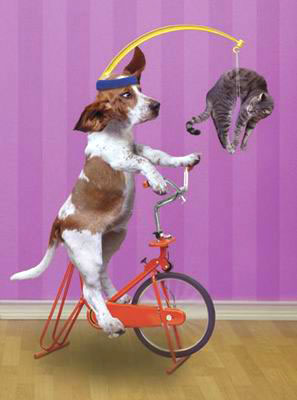
 Exercise. Everyone needs it, but why? In a world of increasing Obesity, what are we doing to change our exercise habits? And what is the ideal setting for a perfect world with adequate nutrition and exercise. In this essay, I will answer those questions with opinions from KidsHealth.org, The Scotland Government, and James O. Hill, Holly R. Wyatt, and John C. Peters, and will follow with my own opinion on the subject of exercise.
Why do we need exercise? According to Kids Health, “Experts recommend that teens get 60 minutes or more of moderate to vigorous physical activity each day. Here are some of the reasons: Exercise benefits every part of the body, including the mind. Exercising causes the body to produce endorphins, chemicals that can help a person to feel more peaceful and happy. Exercise can help some people sleep better. It can also help some people who have mild depression and low self-esteem. Plus, exercise can give people a real sense of accomplishment and pride at having achieved a certain goal — like beating an old time in the 100-meter dash. Exercising can help you look better. People who exercise burn more calories and look more toned than those who don't. In fact, exercise is one of the most important parts of keeping your body at a healthy weight. Exercise helps people lose weight and lower the risk of some diseases. Exercising to maintain a healthy weight decreases a person's risk of developing certain diseases, including type II diabetes and high blood pressure. These diseases, which used to be found mostly in adults, are becoming more common in teens. Exercise can help a person age well. This may not seem important now, but your body will thank you later. Women are especially prone to a condition called osteoporosis (a weakening of the bones) as they get older. Studies have found that weight-bearing exercise, like jumping, running or brisk walking, can help girls (and guys!) keep their bones strong. There are three components to a well-balanced exercise routine: aerobic exercise, strength training, and flexibility training.” All good reasons, but what are we doing to change our habits?
According to the Scotland Government Publications, the whole country is changing their habits. Some of the changes include, “The 'Live Active' GP exercise referral scheme, which encourages adults with cardiac problems to incorporate gentle exercise into their routine (e.g. walking to the shops). The Fife Millennium Travel Plans for cycle ways, school and workplace, which promotes sustainable travel behaviour and has resulted in higher cycling usage across the council area. Developing a network of walking groups with the 'Bums off Seats' initiative. The project leads 21 walks every week and has over 200 trained volunteer walk leaders. A Lottery-funded project saw the development of over 300 miles of cycleway in Fife. The Council produced an accompanying series of helpful cycle maps for both day-to-day and leisure use. A regular newsletter provides up-to-date information about the improvements or changes to the routes and the various cycling events that are held. Healthy Highland Week, a seven-day programme of information and activities to raise health awareness. The Highland School Travel Plan Guide, 'How-to' advice clearly linking the benefits between health and travel. 'Step it up', a series of walking initiatives targeted at building confidence in those not used to physical activity. Offered training to nervous would-be cyclists and cheap second-hand bikes through a local charity.” All very good changes, but what is the ideal environment for optimal nutrition and exercise?
According to James O. Hill, Holly R. Wyatt, and John C. Peters, “It is easiest to think about specific changes in the built environment that could facilitate physical activity. Research shows that people living in mixed use communities with traditional grid designs and with sidewalks and bike paths are more physically active than those living in typical “urban sprawl” communities (Saelens et al. 2003). In many of these mixed communities, walking is an efficient mode of transportation for getting to shopping, schools, and other community destinations. Many such new communities are being built, and it will be important to study these, both to understand the specific characteristics of the built environment that affect physical activity and to document the long-term impact on physical activity and obesity. Far less attention has been focused on the nutrition environment within communities. Can we begin to address the built environment for food as we do physical activity? Our vision of the built environment for food involves places we would eat or obtain food, such as restaurants, vending, grocery stores, and convenience stores. We must understand how the numbers and types of food establishments in an individual’s environment affect food intake. How much does food availability affect food intake? An example of this is that both the number of grocery stores available and the types of food available in grocery stores vary between neighborhoods and could affect food intake differently in different neighborhoods. If our food environments are currently encouraging unhealthy eating, how might they be changed to facilitate healthier eating? This could begin with food manufacturers that could modify the food supply so that overconsumption is reduced. Research has identified several characteristics of our food supply that affect how much food is consumed. People tend to consume more food when it is high in fat or energy density (Rolls and Bell 1998; Stubbs et al. 1995). Similarly, more food is consumed when food is served in larger portions (Kral et al. 2004). Efforts to change the food supply to reduce the fat content and energy density and to lower serving sizes could have a positive impact on obesity. But, how do we convince the consumer this is a good value? Will consumers pay relatively more for less even if they know it is in their own best health interest? For example, are there ways to increase the value of smaller food portions? Similarly, restaurants could help consumers by providing choices that would include not only healthier alternatives but also information that would allow informed choices and even incentives for choosing the healthier alternatives. As a beginning, restaurants regardless of type could offer better choices on the menu and tips for modifying existing choices to make them healthier or lower in calories.”
In my opinion, I believe that exercise and nutrition are key for optimal health, but being OCD about it is just as unhealthy as eating a Triple Whopper with cheese and bacon while sitting on the couch watching TV. All things in moderation! I think that if everyone ate the minimum amount of recommended foods and nutrients, and exercised at least 30 minutes a day, we would all be in better shape. But let’s face it, you can’t make someone do something they don’t want to. That being said, there will always be obese people because not everyone wants to go to the gym or walk everywhere, not everyone likes fruits and veggies, and some people have medical problems that make it hard or even impossible to exercise on a daily basis and eat all of the required foods. So, yes, exercise is important, but no, it’s not over rated.
Dog on Bike Pic http://kecute.files.wordpress.com/2007/09/dogbike.jpg
Kids Health http://kidshealth.org/teen/your_body/take_care/exercise_wise.html
The Scottish Government Publications http://www.scotland.gov.uk/Publications/2006/10/31091850/5
James O. Hill, Holly R. Wyatt, and John C. Peters http://www.ehponline.org/docs/2005/7812/7812.html
Unit 3 Lab- Movable Limb
The purpose of this lab was to show how impulses through neurons stimulate movement of muscles and bones, specifically a joint. For my model, I chose to use the following materials: homemade Play- Dough, acrylic paint, and black poster board.

First, I started by assembling the limb joint. I chose a knee joint. I formed the Femur, Tibia, Fibula, and Patella, and then joined them with the Anterior Cruciate Ligament, the Posterior Cruciate Ligament, the Lateral Collateral Ligament, and the Medial Collateral Ligament (shown in blue).

Then, I started to add in the muscles and tendons. I painted each of the muscles red with pink accents, and all of the tendons white.

Then I bent the leg and showed the slight change in muscle contraction.

For the next part of the lab, I made two models of Muscle Fiber. The first one is of a relaxed Sarcomere, and the second of a contracted Sarcomere.


And last but not least, I made a model of a Neuron and the nerve impulse. It shows how the charge changes with the entering of Na+ and the exiting of K+ in the axon of the Neuron.

Through this lab, I better understand how an impulse initiates muscle movement. The neuron gets an impulse from the CNS which travels down the axon. The impulse causes the polarity of the axon to change through the exchange of Sodium and Potassium. When the impulse reaches the muscle, Acetylcholine is released into the synaptic cleft and binds to the ACh receptors. The impulse then travels down the T system of the muscle fiber, causing the muscle to contract. In the muscle fiber, Calcium binds to Troponin, exposing Myosin binding sites on the Actin. When the Myosin head is unattached, it hydrolyzes ATP. ADP + P are bound to the Myosin as the Myosin head attaches to the Actin. When the ADP + P release, a power stroke occurs, causing the head to bend and pull the Actin in toward itself. And lastly, the binding of fresh ATP causes the Myosin head to return to its resting position, causing the muscle to relax. And that is how a muscle contracts and relaxes when you bend at a joint.

First, I started by assembling the limb joint. I chose a knee joint. I formed the Femur, Tibia, Fibula, and Patella, and then joined them with the Anterior Cruciate Ligament, the Posterior Cruciate Ligament, the Lateral Collateral Ligament, and the Medial Collateral Ligament (shown in blue).

Then, I started to add in the muscles and tendons. I painted each of the muscles red with pink accents, and all of the tendons white.

Then I bent the leg and showed the slight change in muscle contraction.

For the next part of the lab, I made two models of Muscle Fiber. The first one is of a relaxed Sarcomere, and the second of a contracted Sarcomere.


And last but not least, I made a model of a Neuron and the nerve impulse. It shows how the charge changes with the entering of Na+ and the exiting of K+ in the axon of the Neuron.

Through this lab, I better understand how an impulse initiates muscle movement. The neuron gets an impulse from the CNS which travels down the axon. The impulse causes the polarity of the axon to change through the exchange of Sodium and Potassium. When the impulse reaches the muscle, Acetylcholine is released into the synaptic cleft and binds to the ACh receptors. The impulse then travels down the T system of the muscle fiber, causing the muscle to contract. In the muscle fiber, Calcium binds to Troponin, exposing Myosin binding sites on the Actin. When the Myosin head is unattached, it hydrolyzes ATP. ADP + P are bound to the Myosin as the Myosin head attaches to the Actin. When the ADP + P release, a power stroke occurs, causing the head to bend and pull the Actin in toward itself. And lastly, the binding of fresh ATP causes the Myosin head to return to its resting position, causing the muscle to relax. And that is how a muscle contracts and relaxes when you bend at a joint.
Tuesday, July 8, 2008
Unit 3 Lab 2- Movement


The purpose of this lab is to observe the characteristics of muscle contraction and then investigate the effects of two factors - temperature and fatigue - on the action of your muscles.
First, I tested the effects of cold on the muscles. I recorded how many times I could make a fist in 20 seconds. Then, I submerged my forearm in ice cold water and repeated the first step.
# of fists in 20 seconds- 46
# of fists in 20 seconds after cold water- 40
# of fists in 20 seconds after cold water- 40
Then, for the second part of the lab, I tested the effects of fatigue. The lab said to use a rubber ball or a clothespin, but I don’t own either, so I used one of my son’s bath toys, a little soft rubber octopus. I squeezed the octopus for 20 seconds and repeated it 9 more times, for a total of ten trials, without taking a break in between.
 1. 50
1. 502. 54
3. 38
4. 33
5. 31
6. 29
7. 29
8. 26
9. 21
10. 20
What are the three changes you observed in a muscle while it is working (contracted)?
I noticed that it grew larger in size, tension increased with repetitions, after the seventh trial, my muscles started to burn and ache.
What effect did the cold temperature have on the action of your hand muscles? Explain.
The cold water caused my muscles to constrict, making it harder to open and close my hand. When the muscles get cold, they constrict to produce heat in attempts to raise the body temperature and maintain homeostasis.
What effect did the fatigue have on the action of your hand muscles? Explain.
Fatiguing my muscles also caused them to constrict. Arm muscles contain Fast- Twitch muscle fibers. They rely on an anaerobic means of acquiring ATP, provide explosions of energy, and can develop maximum tension more rapidly than slow- twitch muscle fibers. However, because they use an anaerobic means of acquiring ATP, it leaves them vulnerable to an accumulation of Lactate, causing them to fatigue quickly.
I noticed that it grew larger in size, tension increased with repetitions, after the seventh trial, my muscles started to burn and ache.
What effect did the cold temperature have on the action of your hand muscles? Explain.
The cold water caused my muscles to constrict, making it harder to open and close my hand. When the muscles get cold, they constrict to produce heat in attempts to raise the body temperature and maintain homeostasis.
What effect did the fatigue have on the action of your hand muscles? Explain.
Fatiguing my muscles also caused them to constrict. Arm muscles contain Fast- Twitch muscle fibers. They rely on an anaerobic means of acquiring ATP, provide explosions of energy, and can develop maximum tension more rapidly than slow- twitch muscle fibers. However, because they use an anaerobic means of acquiring ATP, it leaves them vulnerable to an accumulation of Lactate, causing them to fatigue quickly.
Monday, July 7, 2008
Unit 3 Lab 1- Leeches
Manipulator w/ Oscillope trace

UV image


UV image

1. What is the electrode measuring?
The electrical current in the neuron. Voltage against time.
2. Why use leeches in neurophysiology experiments?
They have a simple nervous system, which obey many of the samerules as complex ones like ours, so discoveries in simple systemsmay help us to better understand ourselves.
3. What is the difference between a sensory and a motor neuron?
A sensory neuron takes the impulse from the receptors to the CNS,and a motor neuron takes the impulse from the CNS to the effectors(muscles or glands).
4. Do you think a leech experiences pain? What is pain?
I think all things experience pain. Pain is a typical sensory experience that may be described as the unpleasant awareness of a noxious stimulus or bodily harm.
5. What were the two most interesting things about doing this lab?
The information about the leaches, and finding the neuron.
6. Anything you found confusing or didn't like about the lab?
I found the lab quite boring. Interesting, but boring.
Unit 3 Compendium 2 pictures
Skeletal System

Bone Growth

Axial Skeleton

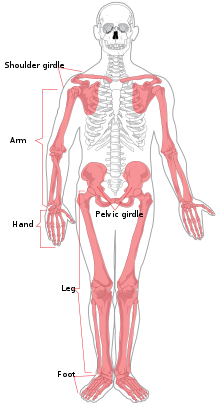
Appendicular Skeleton

Muscular System

Muscle Fiber Contraction


Skeletal System http://www.encognitive.com/images/skeletal-system.jpg
Bone Growth http://www.web-books.com/eLibrary/Medicine/Physiology/Skeletal/bone_growth.jpg
Axial Skeleton http://upload.wikimedia.org/wikipedia/commons/thumb/e/e8/Axial_skeleton_diagram_fr.svg/418px-Axial_skeleton_diagram_fr.svg.png
Appendicular Skeleton http://upload.wikimedia.org/wikipedia/commons/thumb/7/7c/Appendicular_skeleton_diagram.svg/220px-Appendicular_skeleton_diagram.svg.png
Muscular System http://porziochiropracticcenter.com/yahoo_site_admin/assets/images/Muscular_System.13755816_std.jpg Muscle Fiber Contraction http://upload.wikimedia.org/wikipedia/commons/thumb/6/6e/Sarcomere.svg/400px-Sarcomere.svg.png
Whole Muscle Contraction http://www.octc.kctcs.edu/GCaplan/anat/images/Image331.gif

Bone Growth

Axial Skeleton

Appendicular Skeleton

Muscular System

Muscle Fiber Contraction

Muscle Contraction

Skeletal System http://www.encognitive.com/images/skeletal-system.jpg
Bone Growth http://www.web-books.com/eLibrary/Medicine/Physiology/Skeletal/bone_growth.jpg
Axial Skeleton http://upload.wikimedia.org/wikipedia/commons/thumb/e/e8/Axial_skeleton_diagram_fr.svg/418px-Axial_skeleton_diagram_fr.svg.png
Appendicular Skeleton http://upload.wikimedia.org/wikipedia/commons/thumb/7/7c/Appendicular_skeleton_diagram.svg/220px-Appendicular_skeleton_diagram.svg.png
Muscular System http://porziochiropracticcenter.com/yahoo_site_admin/assets/images/Muscular_System.13755816_std.jpg Muscle Fiber Contraction http://upload.wikimedia.org/wikipedia/commons/thumb/6/6e/Sarcomere.svg/400px-Sarcomere.svg.png
Whole Muscle Contraction http://www.octc.kctcs.edu/GCaplan/anat/images/Image331.gif
Unit 3. Compendium 2- Movement
Table of Contents
I. Skeletal System
A. Overview of the Skeletal System
B. Bone Growth, Remodeling, and Repair
C. Bones of the Axial Skeleton
D. Bones of the Appendicular Skeleton
E. Articulations
II. Muscular System
A. Overview of the Muscular System
B. Skeletal Muscle Fiber Contraction
C. Whole Muscle Contraction
D. Muscular Disorders
E. Homeostasis
I. Skeletal System
A. Overview of the Skeletal System
1. Functions of the Skeletal System
a. Supports and protacts the body
b. Produces blood cells
c. Stores mineral salts, particularly calcium phosphate, and fat
d. Along with the muscles, permits flexible body movement
2. The bones of the skeleton are composed of bone tissues and cartilage. Ligaments composed of fibrous connective tissue connect bones at joints. In a long bone:
a.Hyaline cartilage covers the ends of a long bone
b. Perioteum (fibrous connective tissue) covers the rest of the bone
c. Spongy bone (containing red bone marrow) is in the epiphyses
d. Yellow bone marrow is in the medullary cavity of the diaphysis
e. Compact bone makes up the wall of the diaphysis
B. Bone Growth, Remodeling, and Repair
1. Cells involved in growth, remodeling, and bone repair are:
a. Osteoblasts- bone-forming cells
b. Osteocytes- mature bone cells derived from osteoblasts
c. Osteoclasts- break down and absorb bone
2. Bone Development and Growth
a. Intramembranous Ossification: bones develop between sheets of fibrous connective tissue (flat bones such as skull bones)
b. Endochondral Ossification: cartilaginous models of the bones are replaced by calcified bone matrix.
c. Bone growth is affected by vitamin d, growth hormone, and sex hormones
3. Bone remodeling and its role in Homeostasis
a. Bone Remodeling- the renewal of bone; Osteoclasts breakdown bone and osteoblasts re-form bone (some bone is recycled each year)
b. Bone recycling allows the body to regulate blood calcium
4. Bone Repair
a. Repair of a fracture requires four steps: Hematoma formation, Fibrocartilaginous callus, Boney callus, and then Healed Facture, or remodeling.
C. Bones of the Axial Skeleton
1. The axial skeleton consists of the skull, the hyoid bone, the vertibral column, and the rib cage.
a. Skull- formed by the cranium, which protects the brain and the facial bones.
b. Hyoid Bone- anchors the tongue and is the site of attachment of muscles involved with swallowing.
c. Vertebral Column- Composed of vertebrae separated by shock-absobing disks, which make the column flexible; supports the head and trunk, protects the spinal cord, and is a site for muscle attachment.
d. Rib Cage- composed of the thoracic vertebrae, ribs, costal cartilages, and the sternum; protects the heart and lungs.
D. Bones of the Appendicular Skeleton
1.The Appendicular skeleton consists of the thones of the pectoral girdles, upper limbs, pelvic girdle, and lower limbs.
a. Pectoral girdles and upper limbs are adapted for flexability.
a1. Pectoral Girdle- provides support and attachment for an arm; consists of a scapula and a clavicle.
b. The pelvic girdle and lower limbs are adapted for supporting weight; the femur is the longest and strongest bone in the body.
b1. Pelvic Girdle- portion of the skeleton to which the legs are attached; consists of the coxal bones.
E. Articulations
1. Bones are joined at joints, of which there are three types:
a. Fibrous Joints (such as the sutures of the cranium) are immovable.
b. Cartilaginous Joints (such as those between the ribs and sternum and the pubic symphysis) are slightly movable.
c. Synovial Joints (which have a synovial membrane) are freely movable.
II. Muscular System
A. Overview of the Muscular System
1. Three types of muscle tissue:
a. Smooth- involuntary and is found in the walls of the intestines
b. Cardiac- involuntary and is found in the walls of the heart
c. Skeletal- voluntary, contains bundles of muscle fibers called fascicles, and is usually attached by tendons to bones.
2. Skeletal muscle functions:
a. Helps maintain posture
b. Provides movement and heat
c. protects underlying organs
3. When achieving movement, some muscles are prime movers, some synergists, and others antagonists.
4. Muscles are named for their size, shape, location, direction of fibers, number of attachments, and action.
B. Skeletal Muscle Fiber Contraction
1. Muscle fibers contain myofibrils, which contain actin and myosin filaments
2. Muscle contraction occurs when sarcomeres shorten and actin filaments slide past myosin filaments.
C. Whole Muscle Contraction
1. Muscles have motor units
a. Contractions described in terms of a muscle twitch, summation, and tetanus
b. Motor units- several fibers under the control of a single motor axon
c. The strength of the contraction varies according to recruitment of motor units
d. A continuous slight tension (called muscle tone) is maintained by muscle motor units that take turns contracting
2. A muscle fiber has three ways to aquire ATP for muscle contraction:
a. Creatine phosphate transfers a phosphate to ADP, and ATP results.
b. Fermentation also produces ATP quickly; Fermentation is associated with an oxygen debt because oxygen is needed to metablize the lactate that accumulates.
c. Cellular respiration provides most of the muscles ATP, but takes longer because much of the glucose and oxygen must be transported in blood to mitochondria. Cellular respiration occurs during aerobic exercise and burns fatty acids in addition to glucose.
3. Fast-twitch and Slow-twitch muscle fibers
a. Fast-twitch Fibers: (for weight lifting) rely on an anaerobic means of aquiring ATP; have few mitochondria and myoglobin, but motor units contain more muscle fibers; are known for explosive power, but fatigue quickly.
b. Slow-twitch Fibers: (for swimming and running) rely on aerobic respiration to aquire ATP; have a plentiful supply of mitochondria and myoglobin, which give them a dark color.
D. Muscular Disorders
1. Common Conditions
a. Spasm- convulsion, cramp, facialtics
b. Strain
c. Sprain
d. Tendinitis
e. Bursitis
2. Muscular Diseases
a. Myalgia (achy muscles) and Fibromyalgia
b. Muscular Dystrophy (degeneration and weakening of muscles)
c. Myasthenia Gravis (autoimmune disease characterized by weakness in muscles of eyelids, face, neck, and extremities)
d. Amyotrophic Lateral Sclerosis- ALS, or Lou Gehrig's disease (gradual loss of the ability to walk, talk, chew, and swallow)
E. Homeostasis
1. The muscles and bones produce movement and protect body parts
2. The bones produce red blood cells and are involved in the regulation of blood calcium levels
3. The muscles produce the heat that gives us a constant body temperature.
I. Skeletal System
A. Overview of the Skeletal System
B. Bone Growth, Remodeling, and Repair
C. Bones of the Axial Skeleton
D. Bones of the Appendicular Skeleton
E. Articulations
II. Muscular System
A. Overview of the Muscular System
B. Skeletal Muscle Fiber Contraction
C. Whole Muscle Contraction
D. Muscular Disorders
E. Homeostasis
I. Skeletal System
A. Overview of the Skeletal System
1. Functions of the Skeletal System
a. Supports and protacts the body
b. Produces blood cells
c. Stores mineral salts, particularly calcium phosphate, and fat
d. Along with the muscles, permits flexible body movement
2. The bones of the skeleton are composed of bone tissues and cartilage. Ligaments composed of fibrous connective tissue connect bones at joints. In a long bone:
a.Hyaline cartilage covers the ends of a long bone
b. Perioteum (fibrous connective tissue) covers the rest of the bone
c. Spongy bone (containing red bone marrow) is in the epiphyses
d. Yellow bone marrow is in the medullary cavity of the diaphysis
e. Compact bone makes up the wall of the diaphysis
B. Bone Growth, Remodeling, and Repair
1. Cells involved in growth, remodeling, and bone repair are:
a. Osteoblasts- bone-forming cells
b. Osteocytes- mature bone cells derived from osteoblasts
c. Osteoclasts- break down and absorb bone
2. Bone Development and Growth
a. Intramembranous Ossification: bones develop between sheets of fibrous connective tissue (flat bones such as skull bones)
b. Endochondral Ossification: cartilaginous models of the bones are replaced by calcified bone matrix.
c. Bone growth is affected by vitamin d, growth hormone, and sex hormones
3. Bone remodeling and its role in Homeostasis
a. Bone Remodeling- the renewal of bone; Osteoclasts breakdown bone and osteoblasts re-form bone (some bone is recycled each year)
b. Bone recycling allows the body to regulate blood calcium
4. Bone Repair
a. Repair of a fracture requires four steps: Hematoma formation, Fibrocartilaginous callus, Boney callus, and then Healed Facture, or remodeling.
C. Bones of the Axial Skeleton
1. The axial skeleton consists of the skull, the hyoid bone, the vertibral column, and the rib cage.
a. Skull- formed by the cranium, which protects the brain and the facial bones.
b. Hyoid Bone- anchors the tongue and is the site of attachment of muscles involved with swallowing.
c. Vertebral Column- Composed of vertebrae separated by shock-absobing disks, which make the column flexible; supports the head and trunk, protects the spinal cord, and is a site for muscle attachment.
d. Rib Cage- composed of the thoracic vertebrae, ribs, costal cartilages, and the sternum; protects the heart and lungs.
D. Bones of the Appendicular Skeleton
1.The Appendicular skeleton consists of the thones of the pectoral girdles, upper limbs, pelvic girdle, and lower limbs.
a. Pectoral girdles and upper limbs are adapted for flexability.
a1. Pectoral Girdle- provides support and attachment for an arm; consists of a scapula and a clavicle.
b. The pelvic girdle and lower limbs are adapted for supporting weight; the femur is the longest and strongest bone in the body.
b1. Pelvic Girdle- portion of the skeleton to which the legs are attached; consists of the coxal bones.
E. Articulations
1. Bones are joined at joints, of which there are three types:
a. Fibrous Joints (such as the sutures of the cranium) are immovable.
b. Cartilaginous Joints (such as those between the ribs and sternum and the pubic symphysis) are slightly movable.
c. Synovial Joints (which have a synovial membrane) are freely movable.
II. Muscular System
A. Overview of the Muscular System
1. Three types of muscle tissue:
a. Smooth- involuntary and is found in the walls of the intestines
b. Cardiac- involuntary and is found in the walls of the heart
c. Skeletal- voluntary, contains bundles of muscle fibers called fascicles, and is usually attached by tendons to bones.
2. Skeletal muscle functions:
a. Helps maintain posture
b. Provides movement and heat
c. protects underlying organs
3. When achieving movement, some muscles are prime movers, some synergists, and others antagonists.
4. Muscles are named for their size, shape, location, direction of fibers, number of attachments, and action.
B. Skeletal Muscle Fiber Contraction
1. Muscle fibers contain myofibrils, which contain actin and myosin filaments
2. Muscle contraction occurs when sarcomeres shorten and actin filaments slide past myosin filaments.
C. Whole Muscle Contraction
1. Muscles have motor units
a. Contractions described in terms of a muscle twitch, summation, and tetanus
b. Motor units- several fibers under the control of a single motor axon
c. The strength of the contraction varies according to recruitment of motor units
d. A continuous slight tension (called muscle tone) is maintained by muscle motor units that take turns contracting
2. A muscle fiber has three ways to aquire ATP for muscle contraction:
a. Creatine phosphate transfers a phosphate to ADP, and ATP results.
b. Fermentation also produces ATP quickly; Fermentation is associated with an oxygen debt because oxygen is needed to metablize the lactate that accumulates.
c. Cellular respiration provides most of the muscles ATP, but takes longer because much of the glucose and oxygen must be transported in blood to mitochondria. Cellular respiration occurs during aerobic exercise and burns fatty acids in addition to glucose.
3. Fast-twitch and Slow-twitch muscle fibers
a. Fast-twitch Fibers: (for weight lifting) rely on an anaerobic means of aquiring ATP; have few mitochondria and myoglobin, but motor units contain more muscle fibers; are known for explosive power, but fatigue quickly.
b. Slow-twitch Fibers: (for swimming and running) rely on aerobic respiration to aquire ATP; have a plentiful supply of mitochondria and myoglobin, which give them a dark color.
D. Muscular Disorders
1. Common Conditions
a. Spasm- convulsion, cramp, facialtics
b. Strain
c. Sprain
d. Tendinitis
e. Bursitis
2. Muscular Diseases
a. Myalgia (achy muscles) and Fibromyalgia
b. Muscular Dystrophy (degeneration and weakening of muscles)
c. Myasthenia Gravis (autoimmune disease characterized by weakness in muscles of eyelids, face, neck, and extremities)
d. Amyotrophic Lateral Sclerosis- ALS, or Lou Gehrig's disease (gradual loss of the ability to walk, talk, chew, and swallow)
E. Homeostasis
1. The muscles and bones produce movement and protect body parts
2. The bones produce red blood cells and are involved in the regulation of blood calcium levels
3. The muscles produce the heat that gives us a constant body temperature.
Subscribe to:
Posts (Atom)